
The Quiet of Winter
The Work God Does Between Chapters
Winter has a way of telling the truth.
The harvest is over. The calendar flips. The pace changes—at least on paper. And if we’re honest, there’s often a strange mix that settles in around year-end: relief, fatigue, gratitude, regret, hope… and that quiet pressure to figure out what’s next.
Winter, for me, represents something simple but not easy:
Time to slow down.
Time to think.
Time to listen.
And then the real question arrives:
Is this winter the same as last year?
Or is this one marking the close of something—something you can’t reopen?
The silence I didn’t know I needed
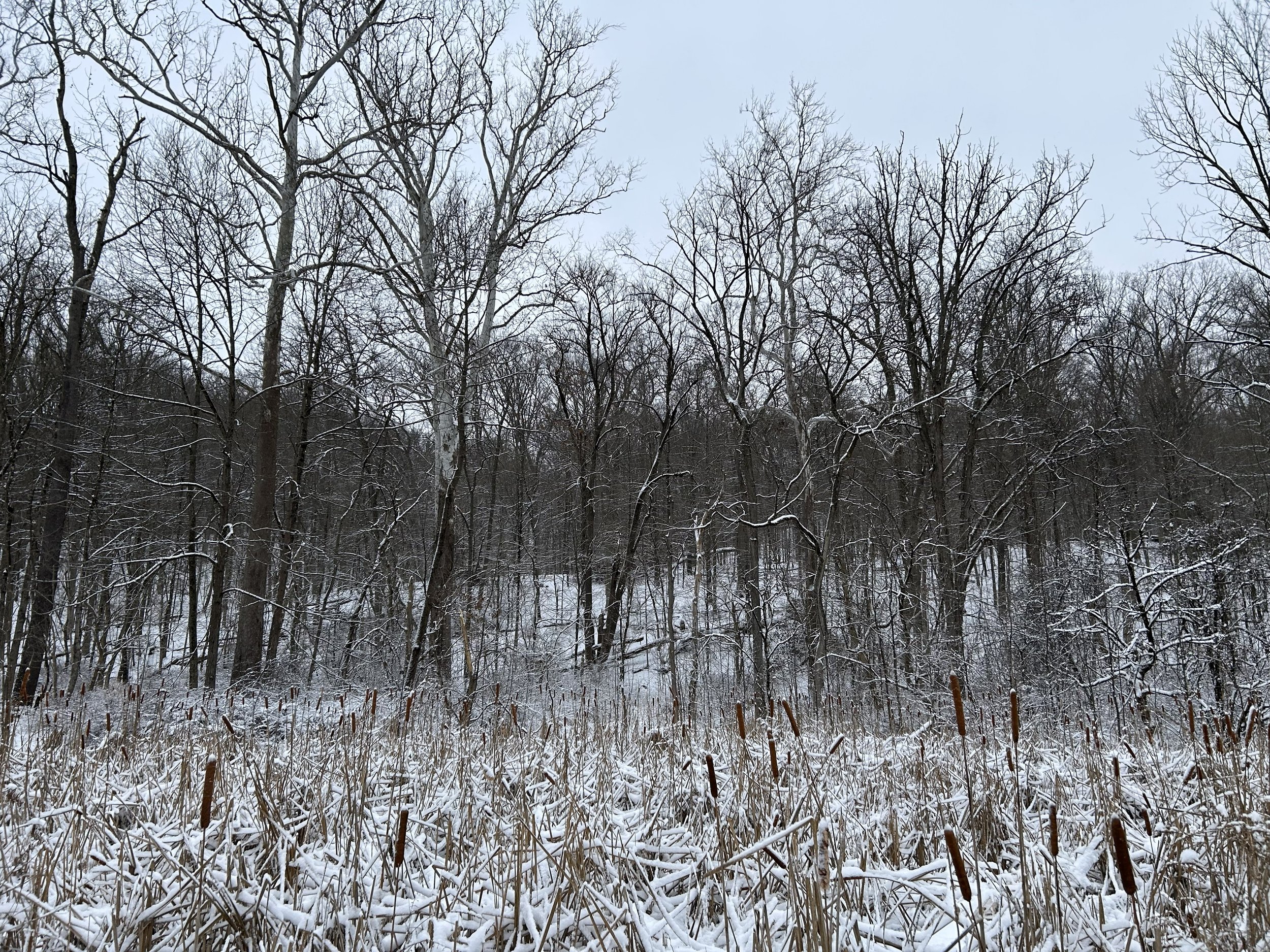
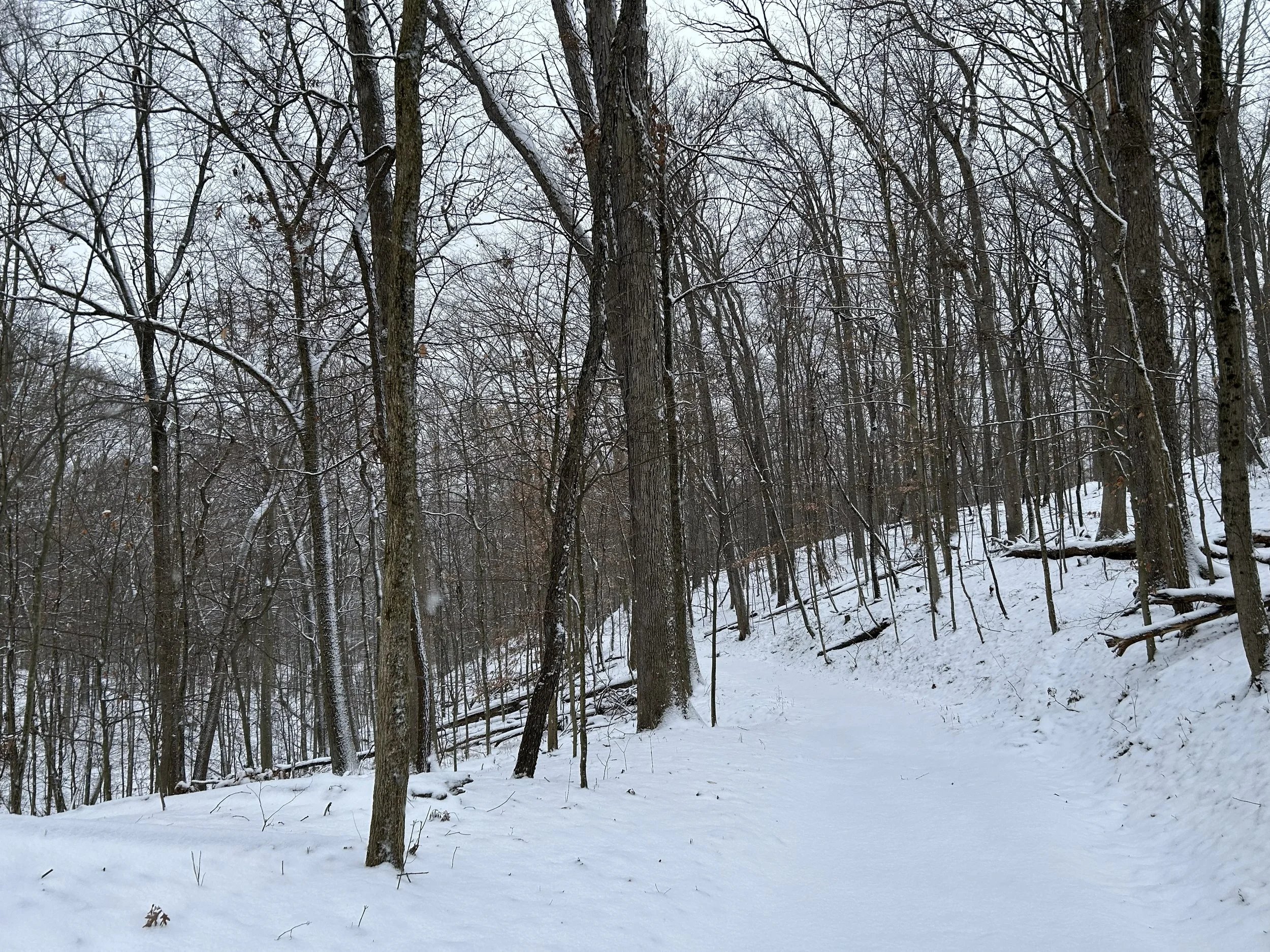
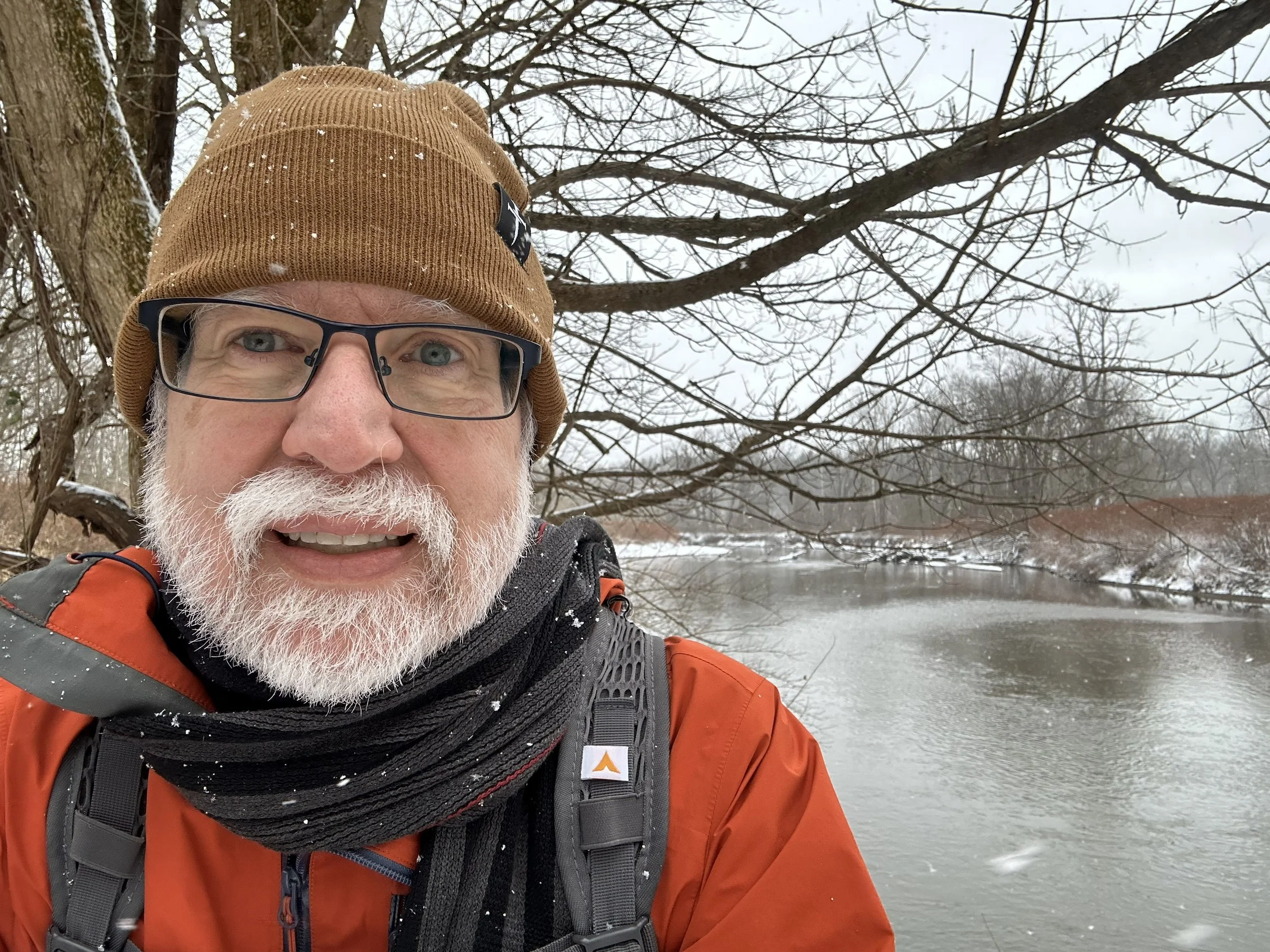
I love a winter hike, especially after it has just snowed.
There is something about a clean trail—no one else’s footprints yet—snow on the trees, and that deep quiet that wraps around you. In those moments, I often leave my headphones behind. Not as a rule. More as a choice.
Because in that silence, I hear things I miss when life is loud.
I hear God’s voice—not always as a sentence, but as a steady presence.
I hear my own heartbeat—what causes it to ache, what stirs it to hope, what still feels tender.
Winter has a way of bringing me back to purpose.
Not the “what’s next on the schedule” kind of purpose.
The deeper kind.
The kind rooted in the question: Why did God create me?
The kind that reconnects passion to calling—especially when the path ahead isn’t fully visible.
For me, purpose and passion center everything I do because purpose is grounded in my relationship with God.
And at its core, my purpose isn’t complicated:
I walk with leaders.
I can say it a dozen different ways. I probably have. But that line is the heartbeat. And when I’m in a quiet place—especially in winter—I can hear it again.
Dreaming that isn’t fantasy
In the quiet of a snowy hike, I process what I’ve been carrying.
I name what’s heavy.
I consider what’s changing.
I ask God for wisdom—and sometimes for grace.
And I dream.
Not fantasy. Not escapism.
The kind of dreaming that is grounded, surrendered, and honest.
Leaders need space for that.
Because leadership has a way of filling every corner of the mind if you let it. And for many of us—especially those leading through complexity—everything feels urgent. Everything feels like now.
But winter invites a different posture.
It invites a leader to stop forcing movement and start paying attention.
It invites us to remember something we say we believe but often live like we don’t:
We are created for purpose, made in the image of a God who loves to do things beyond our imagination.
Read that again. Slowly. Let it settle.
And then ask yourself the questions winter tends to ask—questions that don’t show up on a strategic plan, but determine whether the plan is alive or hollow:
What is your purpose—not just your doing, but your being? When everything is quiet, who are you meant to be?
What does it mean to be made in the image of God—for your leadership, your relationships, your decisions?
What character is God shaping in you right now—especially in the places that feel inconvenient or unfinished?
If you allowed yourself to dream abundantly—not recklessly, but faithfully—what begins to come into focus?
Is God speaking in this pause? And if so, are you willing to pause long enough to hear Him?
The pause between chapters
Winter is not just a season.
Sometimes it’s the pause between chapters.
The past five years have been a season of transition for me. Not a single pivot, but a series of shifts—each one requiring a little more letting go than the one before it.
The work has moved from an accounting-centered identity… to CFO support as a primary expression… to coaching becoming the center, with executive leadership and CFO advisory supporting that calling rather than defining it.
And each shift came with a subtle cost.
Not just changes in services or time allocation.
Changes in identity.
Because leaders—especially capable, high-responsibility leaders—often absorb their “doing” into their “being.” If you’ve ever said (or thought), “This is just who I am,” when you really meant, “This is what I do,” you know what I mean.
Each transition closed a chapter. And with each closing, I had to release activities—and sometimes attachments—that had quietly become part of how I measured myself.
But as I approach the end of this current section, it feels different.
It doesn’t feel like simply turning a page.
It feels like closing a whole section of the book.
And closing a section requires more than logistics.
It requires a paradigm shift—a change in how you understand your own story.
Here’s one of the most important shifts I’ve been learning:
Being a CPA, and being a former ministry executive—those are not who I am.
They are skills. Tools. Gifts.
Helpful, meaningful, valuable.
But not my identity.
Those tools have served the calling. They’ve allowed me to come alongside leaders and organizations with clarity, structure, and steady counsel.
But they are not the center.
The center is this:
I am created to walk beside faith-based leaders.
And recognizing that—really recognizing it—has been freeing.
A secret leaders learn the hard way
Let me say something plainly, because leaders often need to hear it from someone who has lived it:

And it doesn’t automatically mean it will give life to your soul.
I’m good—really good—at accounting.
But it never gave life or fulfillment.
Fulfillment comes from purpose. From calling. From obedience. From alignment between who you are and what God is asking of you now.
Scripture is full of people whose skillset was real—but whose calling required a different kind of formation.
Joseph spent years in slavery and prison before stepping into the work God had prepared.
Nehemiah served faithfully before he was sent to rebuild.
David was a shepherd long before he wore a crown.
There is a pattern there—not a formula, but a pattern:
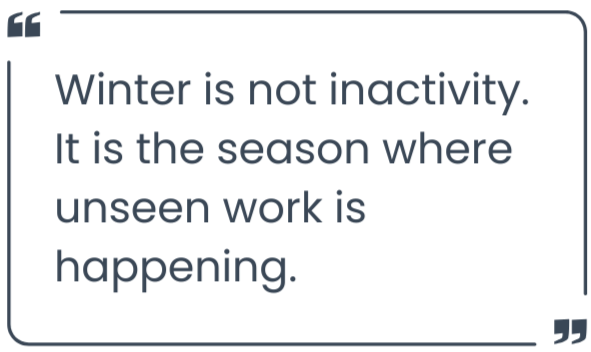
Before the visible work, there is often unseen work.
Before the public chapter, there is often a private season.
Before the next assignment, there is often winter.
Learning to live without striving
Winter is meant to be a season of rest.
A time to be still and know that He is God.
But winter can become miserable when we resist what it is. When we treat the pause as a problem. When we try to force the next chapter open with effort instead of receiving it with trust.
Some of us are busy trying to make something happen, when what God is actually inviting is something quieter:
To sit by a fire after a long winter hike.
To breathe.
To rest.
To dream.
To enjoy His presence.
I’m still learning how to enjoy this season.
Because too much of my life—too much of my identity—has been shaped by what I did.
Winter has been pressing a gentler truth deeper into me:
My identity comes from whose I am, and what He has called me to.
Not my output.
Not my titles.
Not my capacity.
Not even my reputation for competence.
So this winter season, I’m choosing to embrace the quiet.
To accept the redirection of activity.
To trust that detours don’t determine destiny.
To release the need to prove that movement equals faithfulness.
And yes—this quiet is arriving at a meaningful moment in my own story. A new season that coincides with turning sixty.
Not a season of stepping back.
A season of stepping further in—deeper into purpose and calling, with less striving and more clarity.
The winter question
If you are a leader in transition—personal or organizational—winter may feel unsettling. The ground is quieter. The old chapter is closed. The next one isn’t fully written yet.
But winter is not wasted.
Winter is formation.
Winter is preparation.
Winter is the work God does between chapters.
And here’s the question I want to leave you with—not as a prompt to “do more,” but as an invitation to listen:
What might God be building in you right now—beneath the surface—while you’re tempted to rush past the quiet?
If this reflection stirred something for you—especially if you’re navigating a transition you can’t quite name—you don’t have to carry that alone.
I spend much of my work walking alongside leaders in seasons like this. If a quiet conversation would be helpful, you’re welcome to reach out.
